
People chase the phrase best eyebrow microblading Boston like it’s only about who can draw the cleanest strokes, but that’s only half the story. A great artist sets the foundation, sure, but healing decides how those brows actually end up looking weeks later. You can walk out with perfect symmetry and still lose definition if aftercare gets ignored. So yeah, skill matters—but what you do after the appointment quietly matters just as much, maybe more.
What Actually Happens During The Healing Process Of Tattooed Eyebrows
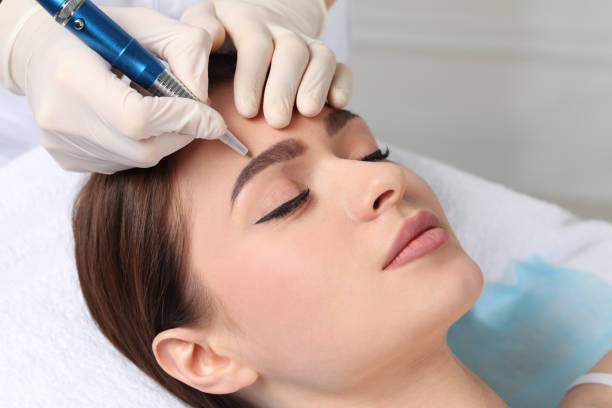
The healing process of tattooed eyebrows is your skin repairing itself after tiny, controlled cuts hold pigment. Right after the session, everything looks bold and sharp, almost too perfect. Then your skin starts to close up, pushing out excess pigment while keeping what it can. Some fading is normal, some unevenness too. It’s not a flaw—it’s biology doing its job, even if it looks a little unpredictable for a bit.
Day By Day Healing: The Part No One Warns You About
First couple days feel easy—brows look clean, color is strong, and you think that’s it. Around day three or four, things shift. They darken, maybe feel tight, and then light flaking begins. By the end of the first week, brows can look patchy or dull, which freaks people out. But give it time, because around week two things start calming down and the real shape slowly comes back into focus.
Why Healing Determines If It Was The “Best”
Even the best eyebrow microblading Boston results depend on how well your skin holds pigment, and that comes down to healing. If aftercare gets ignored—too much moisture, too much touching—you lose crispness and color retention. Artists can only control so much. After that, it’s on you. That’s why two people can go to the same artist and end up with slightly different results.
Common Mistakes That Mess Up Eyebrow Healing
People mess this up in small ways that add up. Touching brows too often, picking at flakes, washing aggressively—it all disrupts healing. Sweat is another big one, especially from workouts. And skincare products with acids or retinol? Those can fade pigment fast if used too early. None of it seems like a big deal in the moment, but it shows in the final result.
The Weird Phases: Patchy Brows, Fading, And Comeback
Healing isn’t a straight line, and that’s the part no one really prepares you for. Brows can fade unevenly, look patchy, or even disappear slightly before coming back. One side might heal faster than the other. It feels off, but it’s normal. The pigment settles under the skin again over time, and that’s when everything starts to even out and look natural.

Choosing The Right Artist In Boston Actually Matters
Finding the best eyebrow microblading Boston option isn’t about who posts the prettiest fresh photos—it’s about healed results. That’s where you see real skill. A good artist will show you work weeks after healing, not just right after the session. They’ll also talk honestly about expectations, not promise perfection in one go. That honesty usually tells you more than any portfolio.
Aftercare Isn’t Complicated, But It’s Easy To Mess Up
Aftercare sounds simple—keep brows clean, dry, and leave them alone—but people still overdo it. Too much washing, too much product, or just not following instructions properly. You don’t need a complicated routine here. Just consistency. Stick to what your artist tells you, nothing extra, nothing experimental.
Touch-Ups: The Step People Forget To Plan For
A lot of people think one session is enough, but microblading always includes a touch-up phase. Around 6–8 weeks later, you go back to fix any gaps, adjust color, and sharpen the overall look. It’s not optional if you want finished results. Skipping it usually leaves brows looking slightly incomplete, even if they looked fine at first.
How Long Do Results Really Last?
Results vary depending on skin type and lifestyle, but most people get about 12–18 months before needing a refresh. Oily skin fades faster, sun exposure speeds it up, and poor aftercare doesn’t help either. The healing process of tattooed eyebrows plays a role here too—better healing usually means longer-lasting results.
Real Talk: Is Microblading Worth It?
For most people, yeah—it saves time and gives a natural look when done right. But it’s not zero effort. You still have to go through the healing phase, deal with the weird stages, and come back for touch-ups. If you expect instant, flawless results without that process, it might feel disappointing. But if you understand it going in, it’s worth it.

Final Thoughts And Where To Start
Microblading is part technique, part healing, and both matter equally. The artist creates the shape, but your skin decides how it holds, and that depends on how you care for it. If you’re serious about getting the best eyebrow microblading Boston experience, take the healing process seriously too. When you’re ready, visit GEM Beauty PMU to start—it’s a solid place to begin if you want results that actually last.
FAQs About Best Eyebrow Microblading Boston And Healing
How long is the healing process of tattooed eyebrows?
Surface healing usually takes about 10–14 days, but full results settle over 4–6 weeks.
Is it normal for brows to look too dark at first?
Yes, they often appear darker initially and soften as healing progresses.
Can I work out after microblading?
Light activity is okay after a few days, but avoid heavy sweating for at least a week.
Why do my brows look patchy during healing?
Flaking and uneven pigment retention during healing can cause temporary patchiness.
Do I really need a touch-up session?
Yes, it’s essential for refining shape and ensuring even pigment retention.
How do I find the best eyebrow microblading Boston studio?
Look for healed results, honest consultations, and artists who clearly explain aftercare.